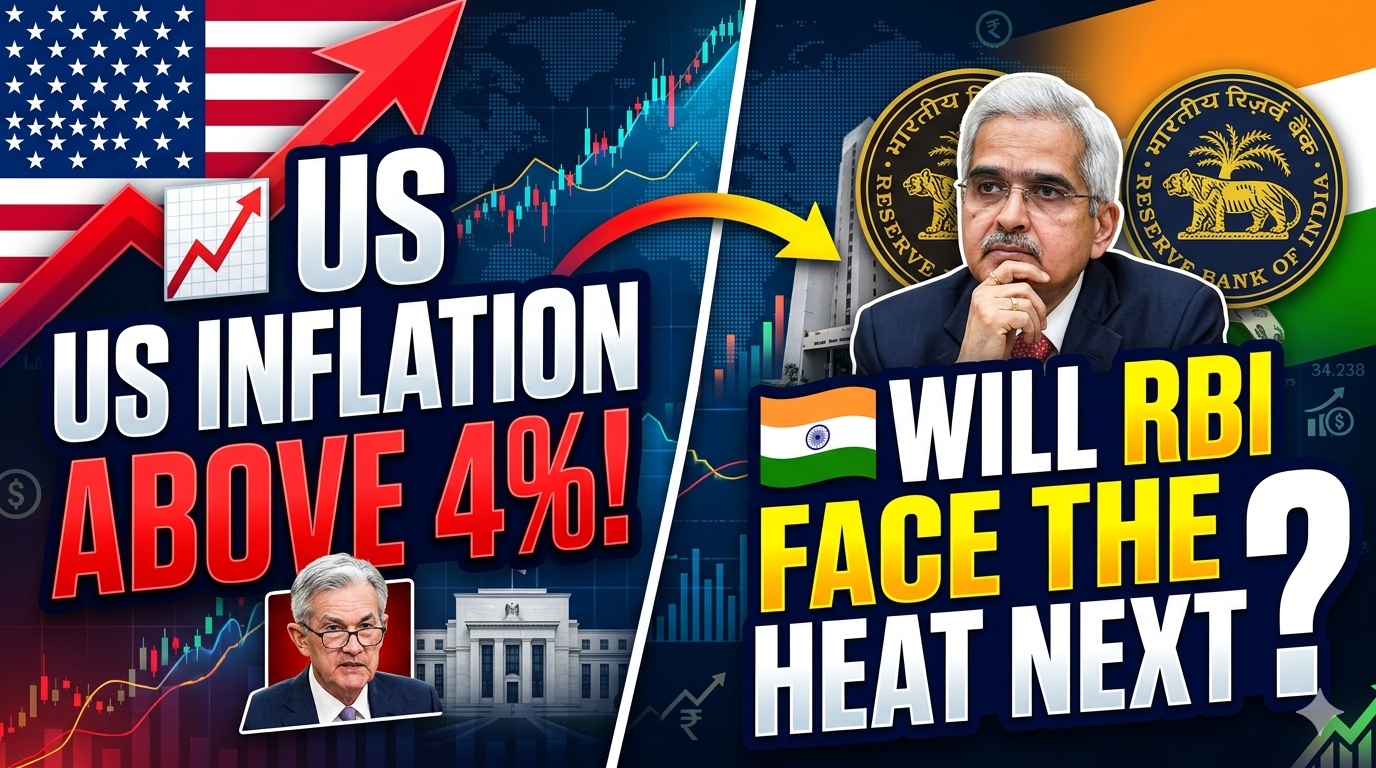

Reserve Bank of India recently announced a record dividend transfer to the Indian government, creating significant discussion across financial markets and economic circles. This surplus transfer is considered one of the largest in India’s history and is expected to provide strong fiscal support to the government at a crucial time when global economic uncertainty, inflation concerns, and rising geopolitical tensions continue to pressure economies worldwide. The dividend mainly comes from RBI’s earnings through foreign exchange reserve management, government securities, liquidity operations, and higher interest income during the recent high-rate environment.
One of the biggest advantages of this record dividend is its potential impact on fiscal stability. The government can use these additional funds to reduce borrowing pressure, control the fiscal deficit, and increase spending on infrastructure, railways, manufacturing, renewable energy, and digital development projects. Lower borrowing requirements may also help reduce bond yield pressure and improve overall market sentiment. Analysts believe this could provide a positive signal to both domestic and foreign investors, as strong fiscal management increases confidence in India’s economic stability.
The announcement is also important for India’s long-term growth story. Infrastructure spending plays a critical role in boosting employment, private investment, logistics efficiency, and manufacturing expansion. Sectors such as roads, railways, defence, semiconductor manufacturing, and green energy are expected to benefit indirectly if the government increases capital expenditure using this surplus support. Economists believe that sustained infrastructure growth can improve productivity and strengthen India’s position as one of the world’s fastest-growing major economies.
At the same time, experts caution that the dividend should not be seen as a permanent revenue source. Global financial conditions, crude oil prices, currency volatility, and inflation risks still remain key challenges for the Indian economy. The Indian Rupee continues to face pressure due to external market conditions and foreign investor outflows. However, despite short-term uncertainty, many analysts view the RBI dividend transfer as a strong positive development that can improve fiscal flexibility and support India’s long-term economic resilience and growth ambitions.