
















Crude Oil Prices Near $115: What It Means for India
Global crude oil prices have become a major concern for the world economy, with Brent crude reportedly trading near $115 per barrel. Crude oil is one of India’s most important imports, as the country depends heavily on overseas suppliers to meet its energy requirements. When international oil prices rise, India must spend more money to…

Gold Price Crashes Below $4,000! Is It the Right Time to Buy Gold?
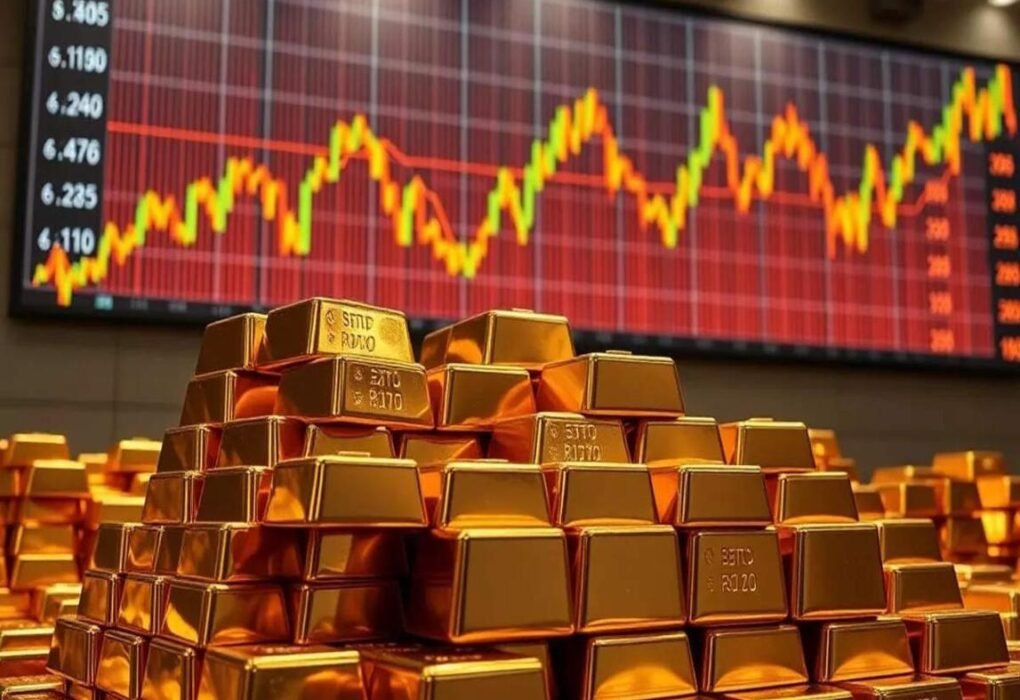
International gold prices fell below $4,000 per ounce on October 23, 2026, trading at approximately $3,998.35. This decline reflects changing investor expectations about inflation, interest rates, and global economic conditions. Gold is often considered a safe-haven asset during periods of uncertainty, but its price can also fall when investors expect higher interest rates or stronger…

Gold Mutual Funds: Ban on New Investments?
What has happened? Investors planning to invest in gold through mutual funds need to pay attention to an important development. Some mutual fund companies in India have temporarily restricted fresh investments in specific Gold ETF Fund of Funds (Gold FoF) schemes. These restrictions may affect new lump-sum investments, fresh SIP registrations, or additional purchases, depending…

India’s 10-Year Bond Yield Hits 7.38% – How Will It Impact Loans, Interest Rates & Investors?
India’s 10-year government bond yield rose to 7.3789% last week, reflecting changing investor expectations about inflation, interest rates, and the country’s economic outlook. Government bonds are debt instruments through which the government borrows money from investors and agrees to pay interest. The 10-year bond yield is an important indicator of borrowing costs and market sentiment….

India’s Forex Reserves Fall to $726 Billion, While Rupee Strengthens Against the US Dollar
India’s foreign exchange reserves have declined for the fifth consecutive week, reaching approximately $726 billion. Foreign exchange reserves are assets held by the Reserve Bank of India (RBI), mainly in foreign currencies, gold, and other reserve assets. These reserves help India manage external financial risks, meet international payment obligations, and maintain confidence in the economy….

Oil Prices Tumble as Strait of Hormuz Reopening Nears
Wall Street’s leading financial institutions have revised their oil price forecasts downward following a breakthrough agreement aimed at restoring normal shipping operations through the Strait of Hormuz, one of the world’s most strategically important energy corridors. The strait serves as a vital transit route for nearly 20% of global oil consumption, and fears of disruptions…
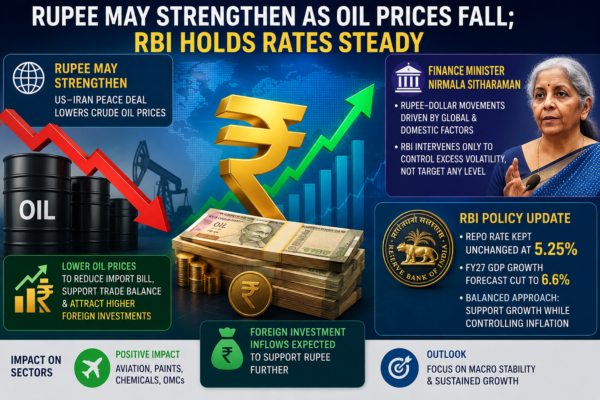
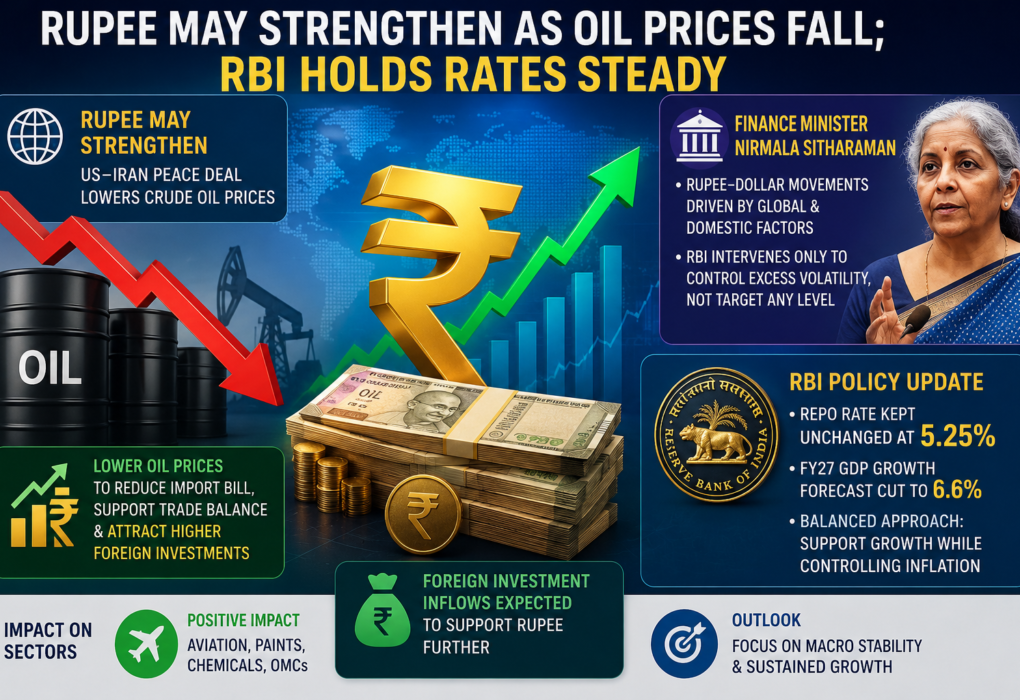
Rupee Gains Momentum as Oil Prices Fall; RBI Holds Rates Steady
The Indian rupee is expected to strengthen in the near term as global crude oil prices have declined following the recent peace agreement between the United States and Iran. Since India imports more than 80% of its crude oil requirements, lower oil prices can significantly reduce the country’s import bill, ease inflationary pressures, and improve…

Gold & Silver ETFs Rise Despite Weak Bullion Prices: What’s Driving the Rally?
Gold and Silver ETFs in India gained between 1% and 3% today, even as global bullion prices remained under pressure. The move surprised many investors because international gold and silver markets have been facing selling pressure due to concerns over higher interest rates and a stronger U.S. dollar. A key factor behind today’s ETF rally…
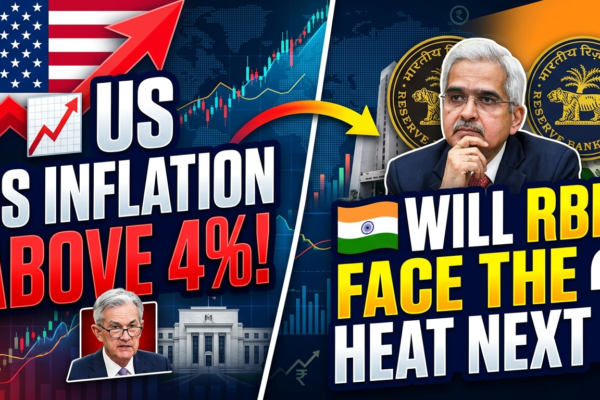
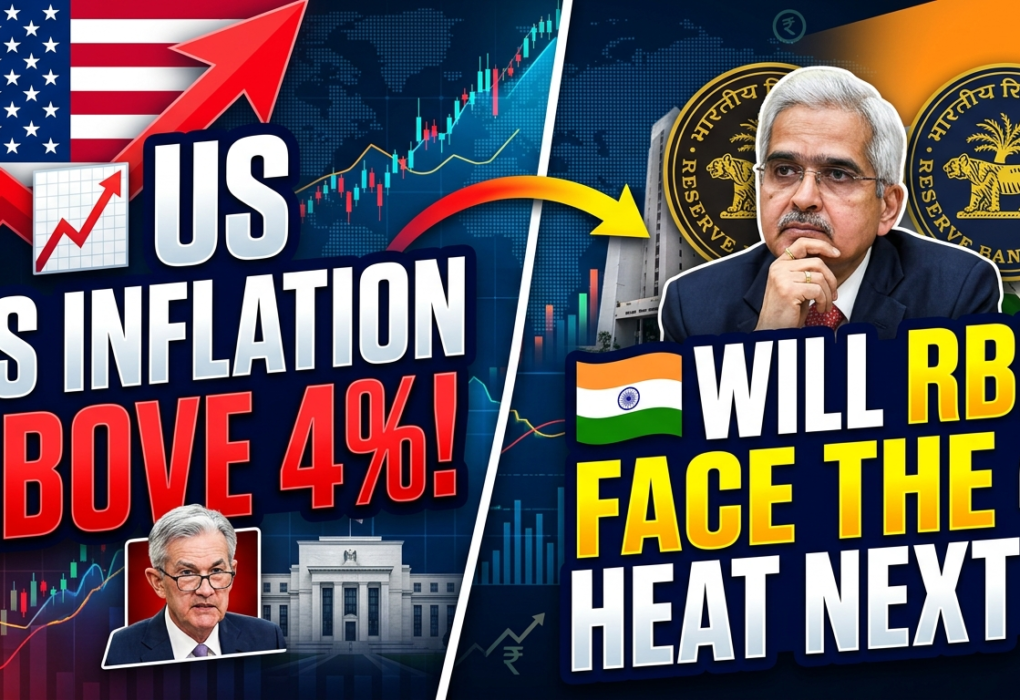
US Inflation Jumps Above 4%: Why India Should Pay Attention
U.S. inflation has surged to 4.2% in May 2026, the highest level in three years, driven mainly by rising energy prices amid ongoing geopolitical tensions and disruptions in global oil supply. The sharp increase has complicated the task of the U.S. Federal Reserve, which is already balancing inflation control with concerns about slowing economic growth….
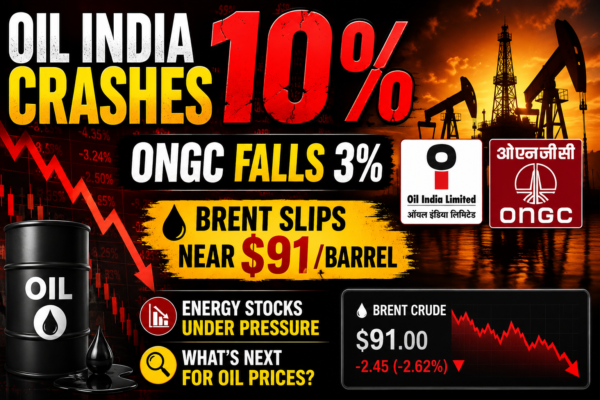
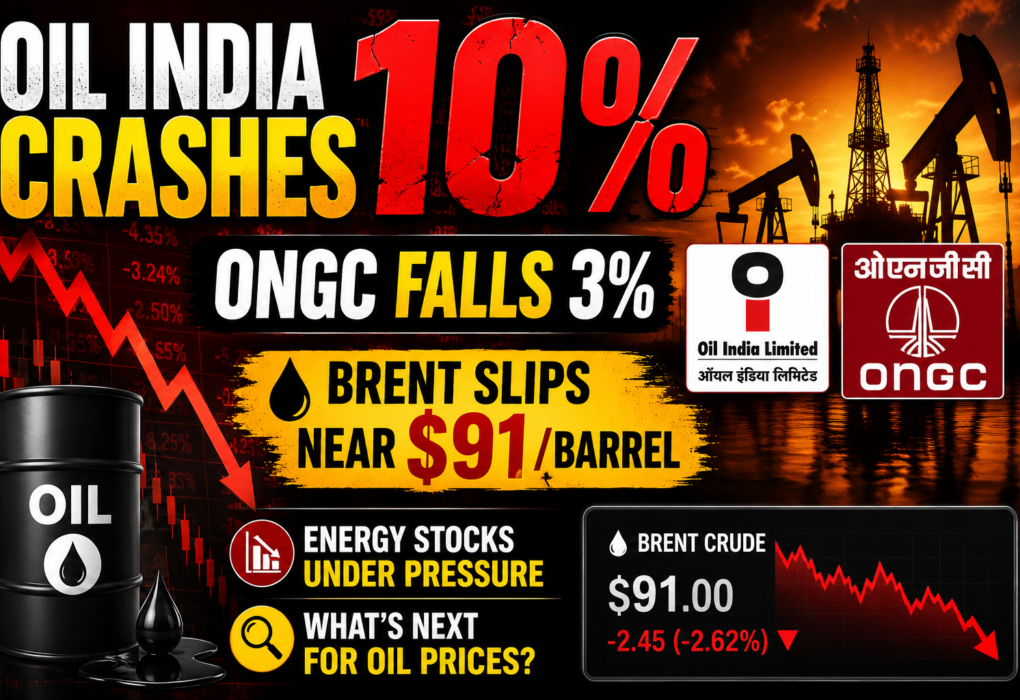
Brent Near $91: Oil India Crashes, ONGC Extends Losses
Shares of upstream oil producers Oil India and ONGC came under heavy selling pressure today after Brent crude prices slipped close to $91 per barrel, triggering concerns over lower earnings realization for oil exploration companies. Lower crude prices generally reduce the revenue and profitability of upstream producers, as their earnings are directly linked to global…