
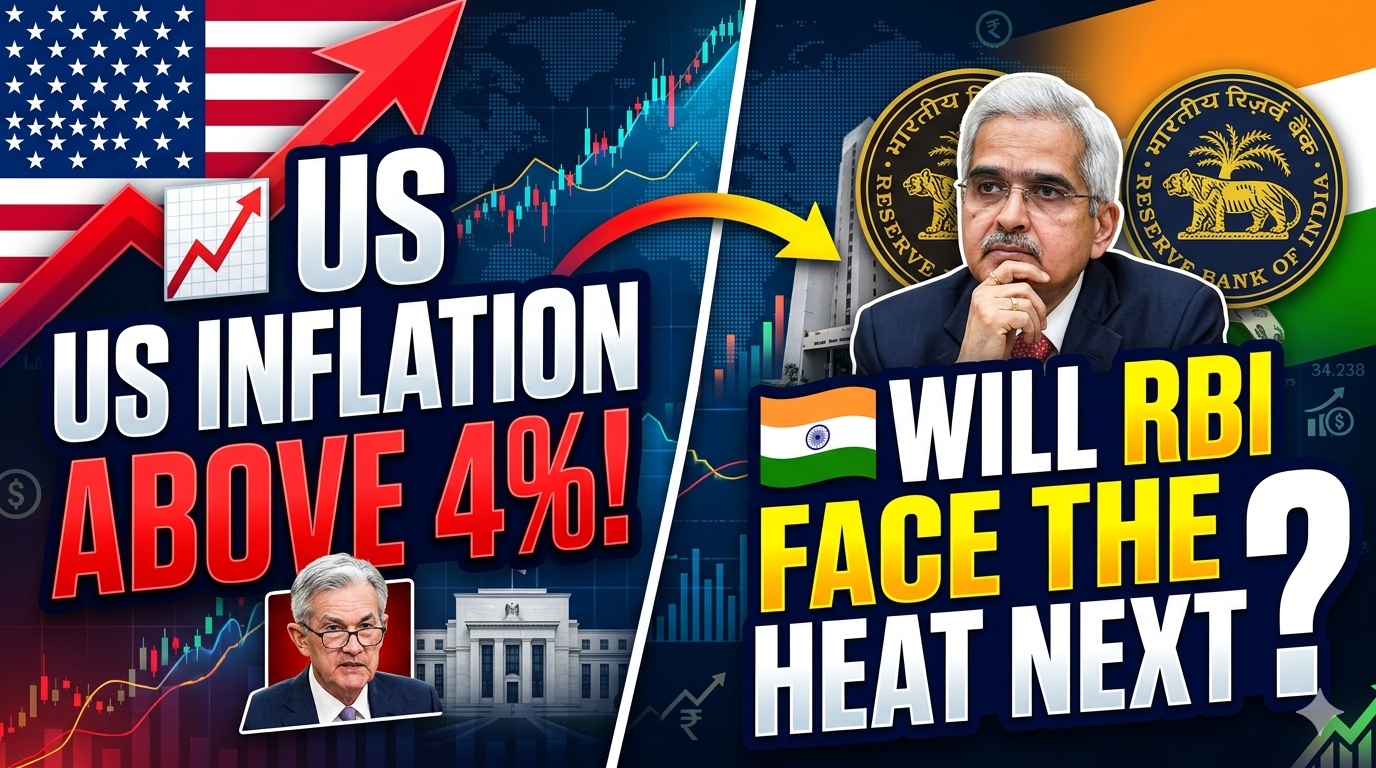
U.S. inflation has surged to 4.2% in May 2026, the highest level in three years, driven mainly by rising energy prices amid ongoing geopolitical tensions and disruptions in global oil supply. The sharp increase has complicated the task of the U.S. Federal Reserve, which is already balancing inflation control with concerns about slowing economic growth.
For the Fed, the challenge is that inflation is being fueled largely by higher oil and energy costs rather than excessive consumer demand. Raising interest rates may cool spending, but it cannot directly solve supply-side shocks such as disruptions in crude oil markets. As a result, markets now expect the Fed to maintain a “higher-for-longer” interest-rate stance, with the possibility of tighter policy if inflation remains elevated.
The impact could extend well beyond the U.S. India imports a large portion of its crude oil requirements, making it vulnerable to sustained increases in global energy prices. If crude remains elevated, transportation, manufacturing, and logistics costs could rise, potentially pushing India’s inflation higher in the coming months.
This creates a fresh challenge for the Reserve Bank of India (RBI). While the RBI has recently maintained a supportive stance for growth, persistent imported inflation from higher oil prices could limit its flexibility to cut rates further. A stronger U.S. inflation environment may also support the dollar, putting pressure on emerging-market currencies, including the rupee.
For investors, the key indicators to watch are global crude oil prices, U.S. inflation readings, Federal Reserve commentary, and India’s retail inflation data. If energy prices stay elevated, both the Fed and RBI may have to prioritize inflation control over growth support, influencing bond yields, currencies, and equity markets worldwide.