According to a Crisil Ratings assessment, several Indian economic sectors, including basmati rice, fertilizers, airlines, and energy-related industries, could be affected by rising geopolitical uncertainty in the Middle East and disruptions to maritime traffic through the Strait of Hormuz.
Given their direct exposure to the region, industries such as basmati rice, fertilizers, diamond polishing, travel agencies, and airlines may suffer if existing geopolitical uncertainties in the Middle East persist or worsen, according to Crisil. Global energy supply chains depend heavily on the Middle East. Middle Eastern nations produce 20% of the world’s LNG and 30% of its crude oil. The Strait of Hormuz is used to carry much of this.
According to the research, industries that rely on imported gas may potentially encounter immediate operating difficulties. Furthermore, industries that heavily rely on imported liquefied natural gas (LNG), such as fertilizers and ceramics, may see short-term output effects, necessitating careful observation. Crude-related industries may also be impacted, including downstream oil refiners, tires, paints, specialty chemicals, flexible packaging, and synthetic fabrics.
The energy markets have already responded strongly. From an average of $66–67 per barrel (bbl) in January–February 2026, the price of Brent crude has already increased to about $82–84. The cost of Asian spot LNG has skyrocketed from about $10/MMBtu to $24–25/MMBtu.
India is still largely reliant on energy imports that pass via the corridor. India imports half of its LNG needs and over 85% of its crude oil. Of this, the Strait of Hormuz is used to transport 50–60% of LNG and 40–50% of crude oil. Due to the heightened risk of passage, the majority of shipping boats have ceased operating on this route since March 1, 2026. Any protracted disruption of this trade route will affect the supply and prices of LNG and crude oil globally.
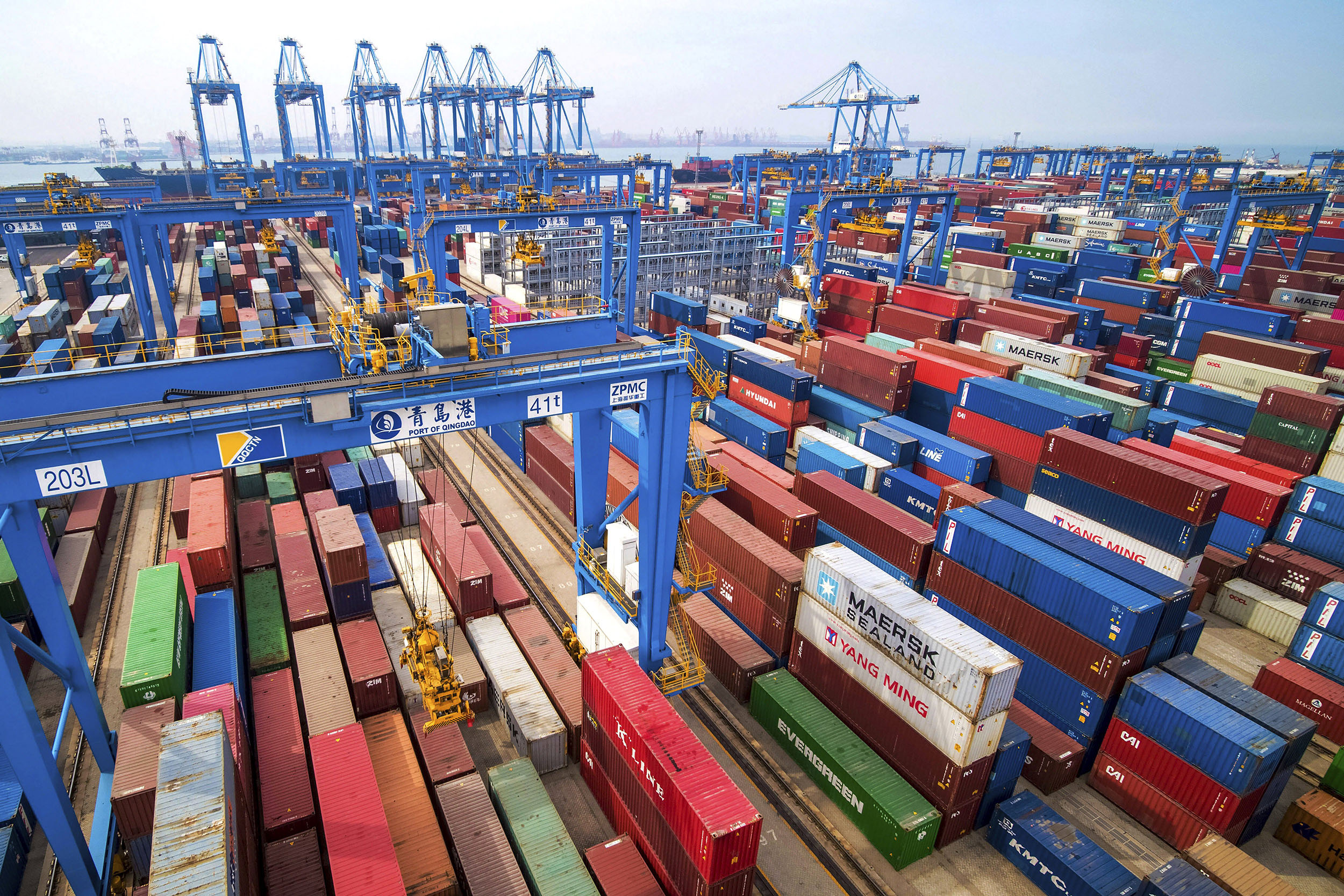
Growing geopolitical tensions have also started to impact commerce and logistics expenses. “The profitability of those with significant global trade exposure may be impacted by the ongoing uncertainties, which have raised air/sea freight costs and insurance premiums for export/import-based sectors.”
India continues to have substantial trade exposure to the Middle East. In the first nine months of this fiscal year, around 15% of India’s total exports and 20% of its total imports came from direct commerce with the Middle East. Basmati rice, fertilizers, raw and polished diamonds, some capital goods, and spices are the main commodities traded with the Middle East, in addition to petroleum products and crude oil. Additionally, several service industries, such as travel agencies and airlines, have substantial direct and indirect exposure to the area.
“Given their strong balance sheets, which act as a buffer against vulnerabilities, the near-term impact on the majority of Indian companies is anticipated to be limited, despite the potential risks.”