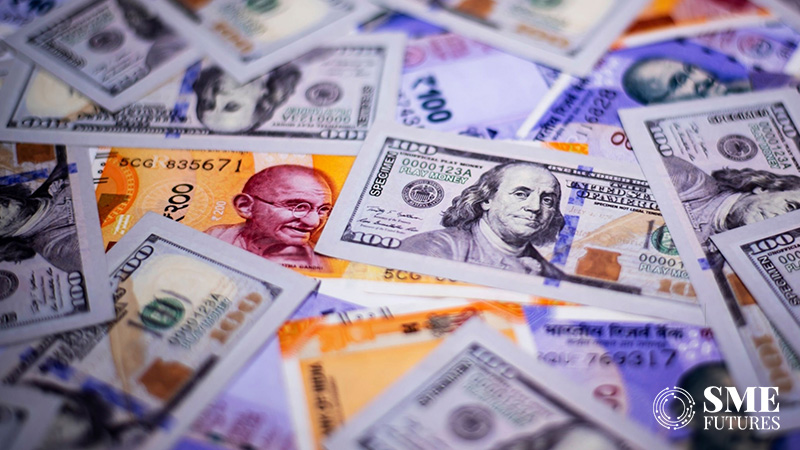

On March 18, the Indian rupee hit its lowest point ever, prolonging a difficult period as the ongoing Middle East conflict kept oil prices high, increasing India’s economic risks and depleting capital flows. The rupee dropped from its previous low of 92.4750 per dollar last week to 92.62 per dollar.
The price of Brent crude oil has increased by almost 40% since the start of the Iran War. Since then, as energy-importing economies have struggled with the worst supply disruption in decades, the conflict has sent shockwaves through international markets.
The rupee has lost more than 1.5% since the start of the conflict. During that period, the Singapore dollar fell 0.8%, and the yuan fell 0.2%. Barclays highlighted China’s robust exports and substantial reserves amid the oil shock.
An estimated 1.2 billion barrels of strategic and commercial crude reserves are held by China. This year, Barclays is expected by its experts to have a trade surplus of more than $1.3 trillion.
Since May 2025, the yuan has increased by around 15% relative to the rupee. Kotecha thinks there is further space for growth and advises taking a long yuan/rupee position using a six-month non-deliverable forward.
The rupee has been under tremendous pressure due to rising global crude oil prices, which are a result of growing tensions in West Asia, as well as persistent outflows of foreign funds due to increased risk aversion. Additionally, as the dollar broke the record high, merchants and importers increased their aggressive demand for the currency. With immediate resistance expected between 92.50 and 92.70 and a support at 92.05, Spot USDINR continues to have a bullish bias.