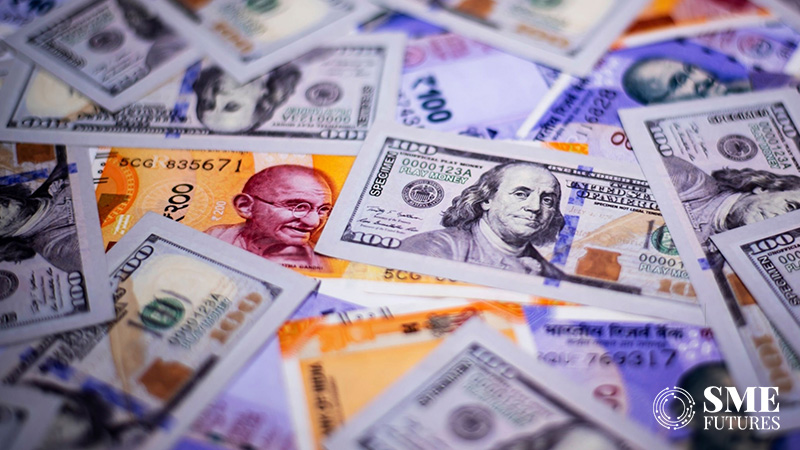
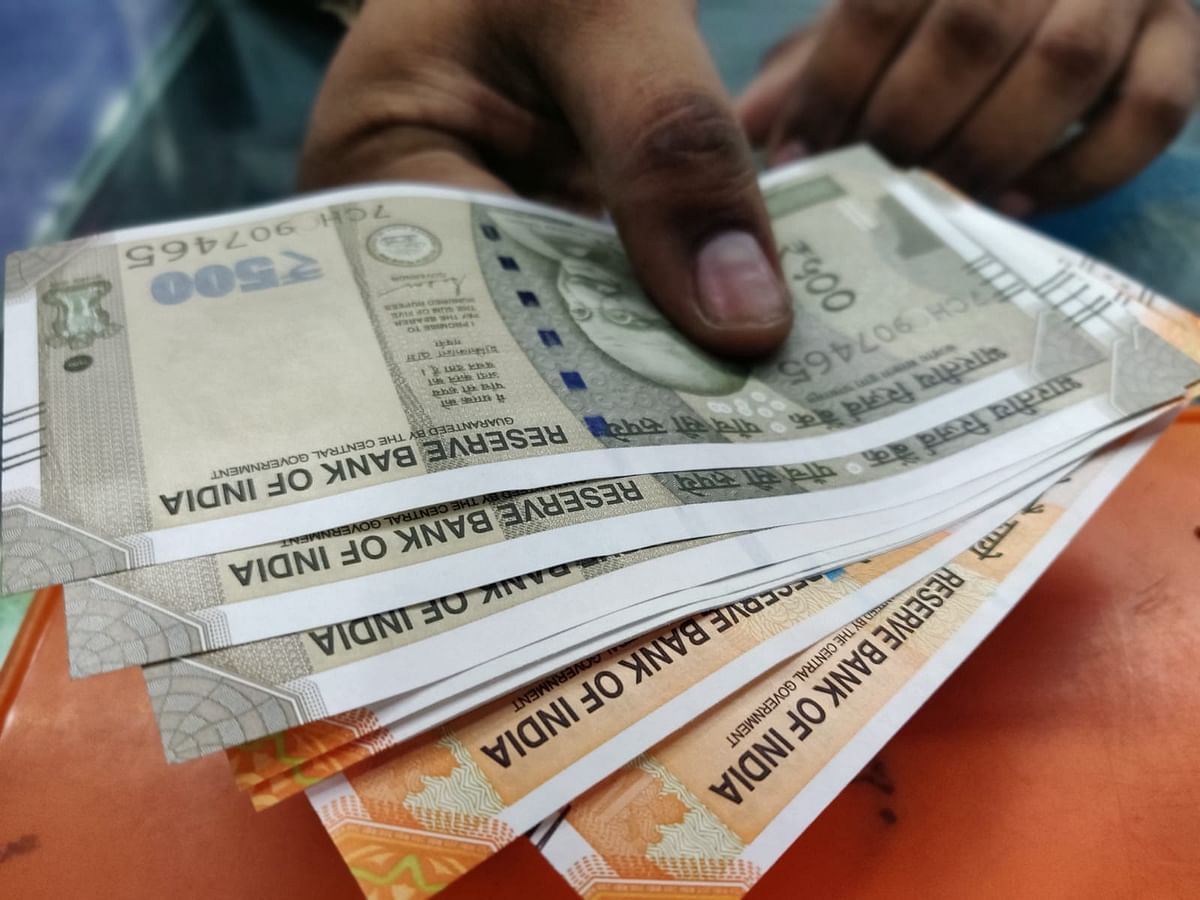
On January 23, the Indian rupee fell to a record low of 91.95 versus the US dollar due to a selloff in local stocks, which exacerbated the existing pressure from speculative flows, importer payments, and dollar outflows. Due to speculative dollar purchases by offshore players, foreign withdrawals from stocks, and demand from bullion and other importers, the rupee has now dropped more than 1% this week.
The Nifty 50 fell over 5% in January as a result of foreign investors withdrawing roughly $3.5 billion from Indian stocks thus far this month. The index has dropped more than 3% this week as a result of increased selling, which has increased pressure on the rupee.
Following the US Securities and Exchange Commission’s request to a court for authorization to directly email billionaire Gautam Adani, the benchmark index fell 0.8% on Friday due to the selling of shares of Adani group companies.
In addition to its 5% decline in 2025, the rupee dropped by more than 2% in January. According to economists, one of the currency’s primary vulnerabilities is still capital flows. Last year, outflows of portfolio stock reached a record $18.9 billion, while inflows through commercial borrowings from outside sources have been minimal.
Market players claim that the Reserve Bank of India has often stepped in to protect the rupee and slow down its drop. Even though the central bank actively sold dollars at least twice this week, the intervention has simply delayed rather than stopped the currency’s declining trajectory thus far.