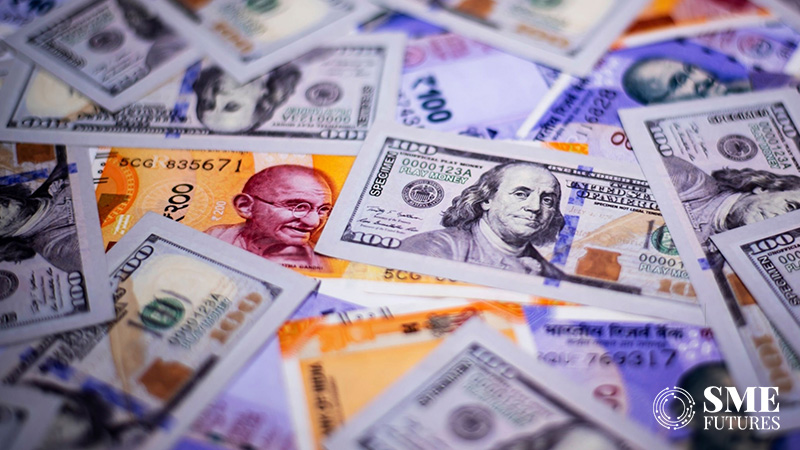
On March 4, the Indian rupee hit a fresh low of Rs 92 per dollar as investors rushed to safe-haven assets amid rising oil prices due to geopolitical unrest in the Middle East. Compared to Rs 91.47 during the previous trading session, the local currency was trading at Rs 92.17 to the dollar. On March 3, the currency and fixed income markets were closed since it was a public holiday.
As military tensions between the United States, Israel, and Iran have increased over the past several days, Brent crude prices have surged to as much as $85 per barrel. Market concerns about disruptions in the supply of petroleum and LNG have increased since the Strait of Hormuz closed. Ships traveling along this route carry about one-fifth of the world’s crude oil.
The dollar’s strength against a basket of six other currencies, including EUR, JPY, GBP, CAD, CHF, and SEK, is measured by the United States Dollar Index, or DXY, which increased for the third consecutive year.
As hopes of a rate decrease by the US Federal Reserve wane, the index is currently trading close to the 99 mark. As investors move toward US assets, a high dollar index indicates increased demand for the US dollar, pushing the rupee lower.
The Indian rupee has dropped by more than 2% since the beginning of the year, making it one of the worst-performing emerging market currencies, and it has already crossed the 92-level threshold. After declining by almost 5%, the Indian rupee became the weakest Asian currency in 2025.