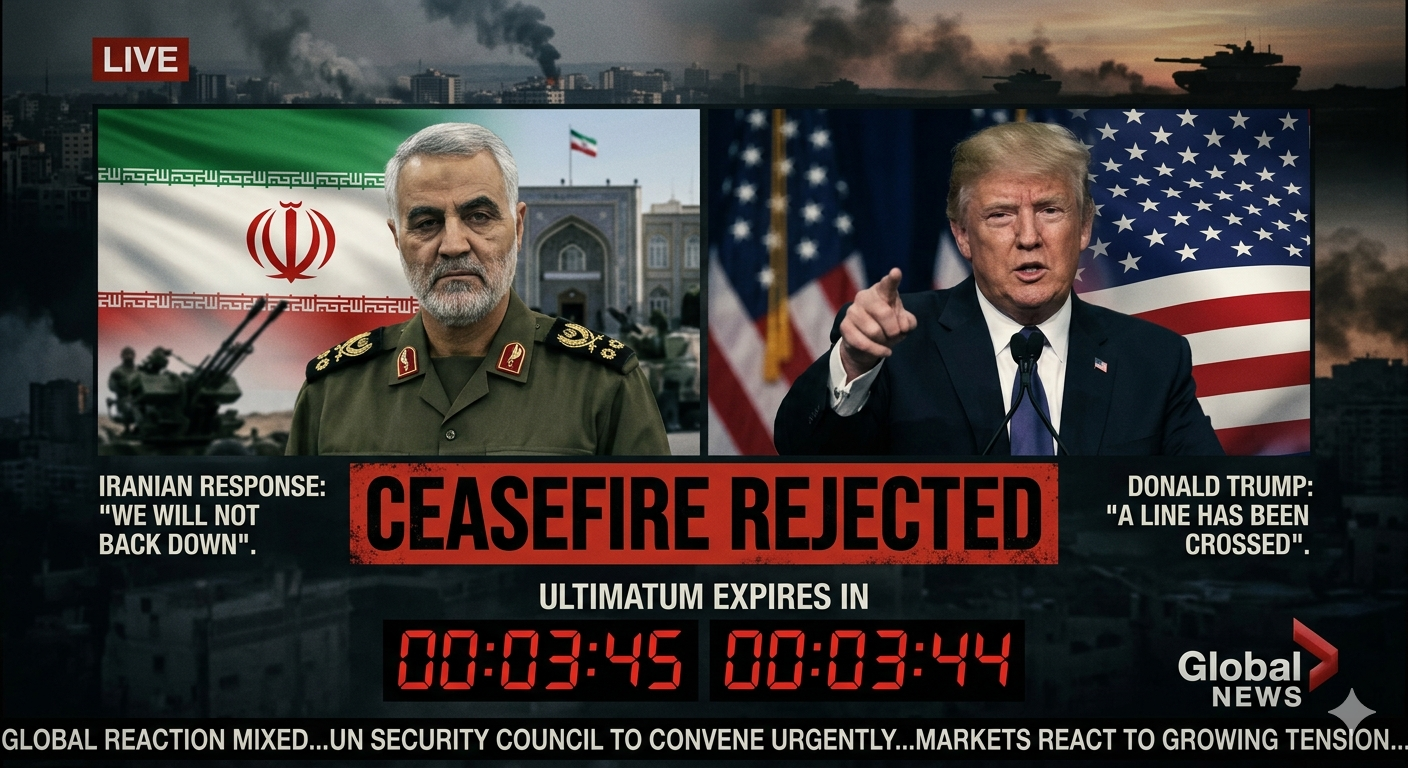
U.S. President Donald Trump had issued a final ultimatum demanding that Iran agree to an immediate ceasefire. He warned that “if an agreement is not reached by this date, the situation could deteriorate.” However, Iran did not accept this proposal outright.
Iran’s stance is as follows: “We are not opposed to a ceasefire, but there are certain crucial conditions that must be met.” These conditions are: first, that the fighting must cease completely; second, that the economic sanctions imposed on Iran by the United States and its allies must be lifted; and third, that financial aid must be provided to repair the damage inflicted upon the country as a result of the conflict. They have clearly stated that they can agree to a ceasefire only if these three conditions are fulfilled.
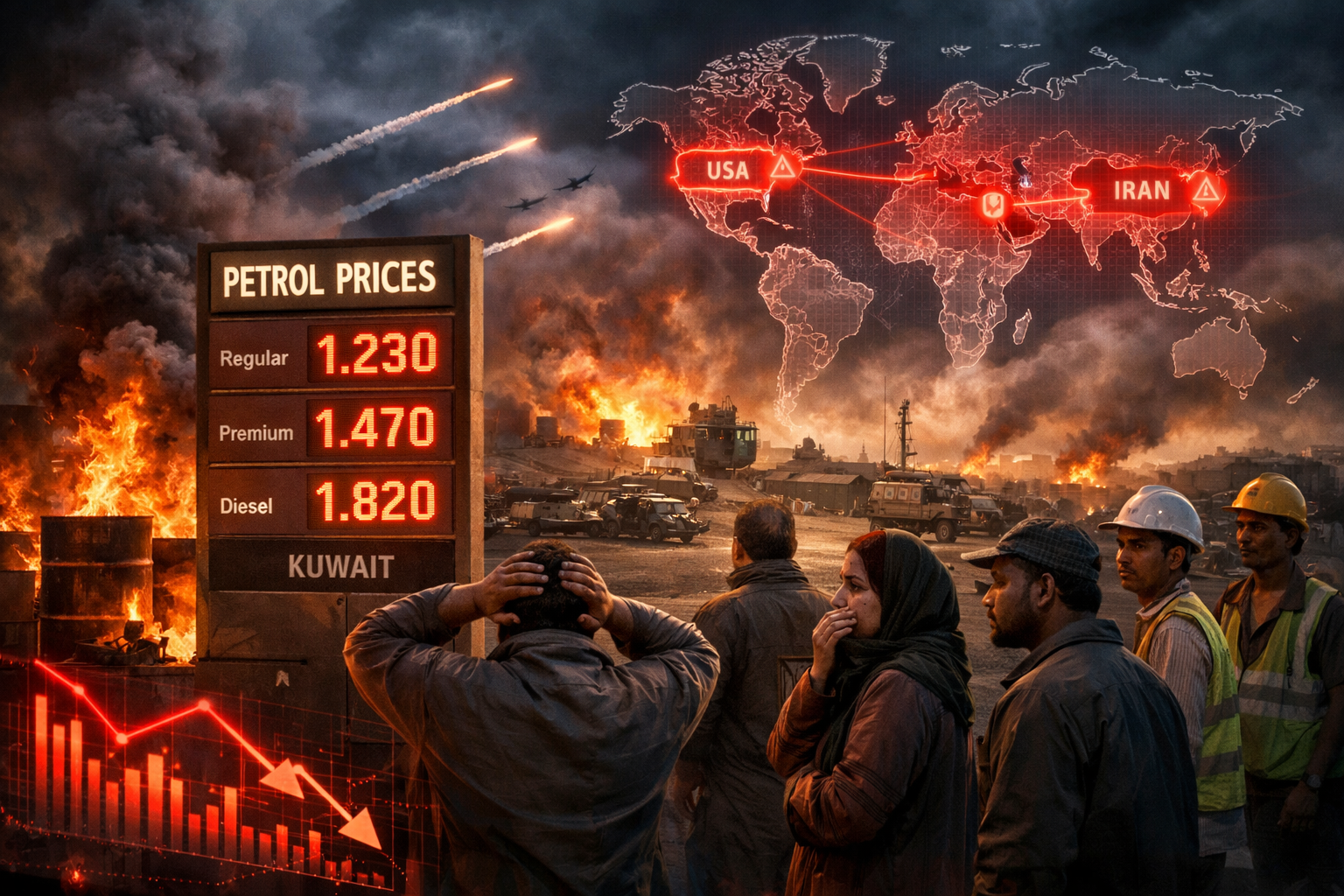
Negotiations remain ongoing, yet a promising resolution has not yet been reached. Consequently, tensions in the Middle East region have escalated. Thousands of people have been adversely affected by attacks occurring in various locations. In particular, essential infrastructure—such as buildings and roads—has sustained damage in countries like Iran and Lebanon. The repercussions of this conflict are also evident on a global scale; notably, oil prices have risen.
In summary, while the United States seeks an immediate agreement, Iran remains firm in its position that it will consent only if its specific conditions are met. As a result, this conflict remains unresolved and continues to persist.