Crude prices have increased as a result of the Middle East conflict’s ongoing effects on the Strait of Hormuz’s oil supply. According to PTI, S&P Global Ratings might negatively impact the profit margins of oil marketing firms like IOC, BPCL, and HPCL, which might maintain retail gasoline and diesel prices in order to reduce inflationary pressures.
Since the beginning of the US-Iran war, oil prices have increased. Earlier this week, crude reached over $100 a barrel as the Strait of Hormuz, which is responsible for roughly one-fifth of the world’s flows of LNG and crude oil, remained essentially blocked. On Wednesday, however, the price of crude oil dropped to $88 per barrel.
S&P Global Ratings also changed its 2026 average Brent crude assumption by $5 to $65 per barrel due to the intensifying Middle East crisis, according to the PTI report.
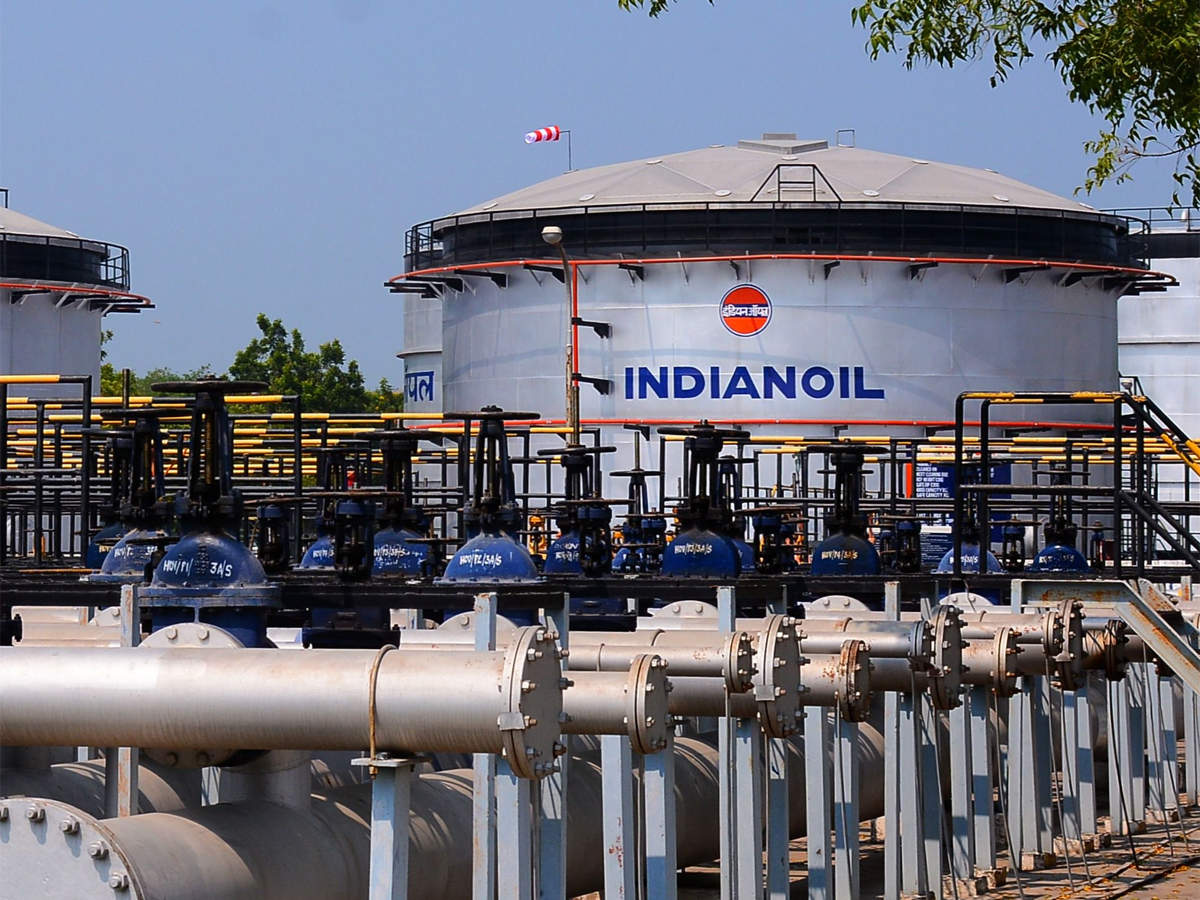
Higher sale prices and fewer operating exposures to the Middle East will lessen risks for upstream players like ONGC, according to an S&P assessment. Downstream participants, like India’s oil marketing corporations (OMCs), may encounter regulatory and commercial obstacles from the Indian government.
Consumer LPG prices in India are controlled. According to S&P’s assessment, OMCs like IOC, BPCL, and Hindustan Petroleum Corp (HPCL) may need to maintain stable retail pricing for gasoline and diesel in order to reduce inflationary pressures in the face of growing costs.
India, which imports 55% of LPG and 30% of LNG through the Strait of Hormuz, will continue to rely on maritime routes to meet its crude needs, according to the US-based rating agency. However, there is room for diversification because the nation has a history of purchasing oil from countries outside of Asia, such as Russia and South America.
According to S&P, which was cited by PTI, purchases from Venezuela restarted last month at 142,000 bpd, while those from Russia presently stand at 1.1 million bpd. India has few reserves, according to S&P, despite the large exposure. Its commercial supplies provide about 65 days of consumption, while its strategic petroleum reserves provide 10 days.
LNG and LPG stockpiles are significantly smaller, with estimates of 10–12 days and 25–30 days, respectively.