
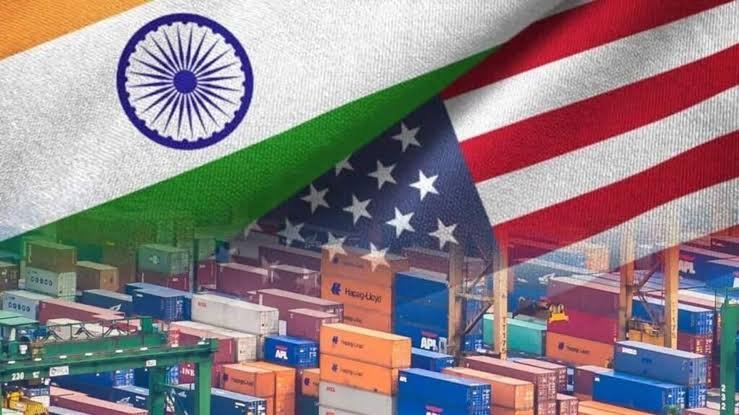
India’s Commerce Minister Piyush Goyal has highlighted the importance of balancing domestic economic interests with the advantages of international trade as India and the United States work towards a potential trade agreement. The proposed pact aims to strengthen economic cooperation between the two countries while ensuring that India’s key domestic industries and sensitive sectors receive adequate protection. Both countries are looking for opportunities to improve market access, encourage investment and expand bilateral trade.
One of the major considerations in the negotiations is comparative advantage, which refers to a country’s ability to produce certain goods and services more efficiently relative to others. India has competitive strengths in sectors such as pharmaceuticals, textiles, information technology and certain engineering products, while the United States has significant capabilities in advanced technology, aerospace, energy and agricultural products. A well-negotiated trade agreement could help businesses in both countries access new markets, reduce certain trade barriers and improve supply-chain cooperation. However, the terms must also account for differences in production costs, regulations and market conditions.
For India, the key challenge is to capture the benefits of international trade without exposing domestic businesses, farmers and smaller manufacturers to excessive competitive pressure. Greater access to the US market could create export opportunities, support employment and attract foreign investment. At the same time, increased imports could put pressure on some domestic producers if they struggle to compete with international suppliers. Therefore, tariff reductions, agricultural market access, regulatory standards and protections for sensitive industries are likely to be important considerations. The actual economic impact will depend on the final terms of the agreement, which should be assessed separately from statements made during negotiations.