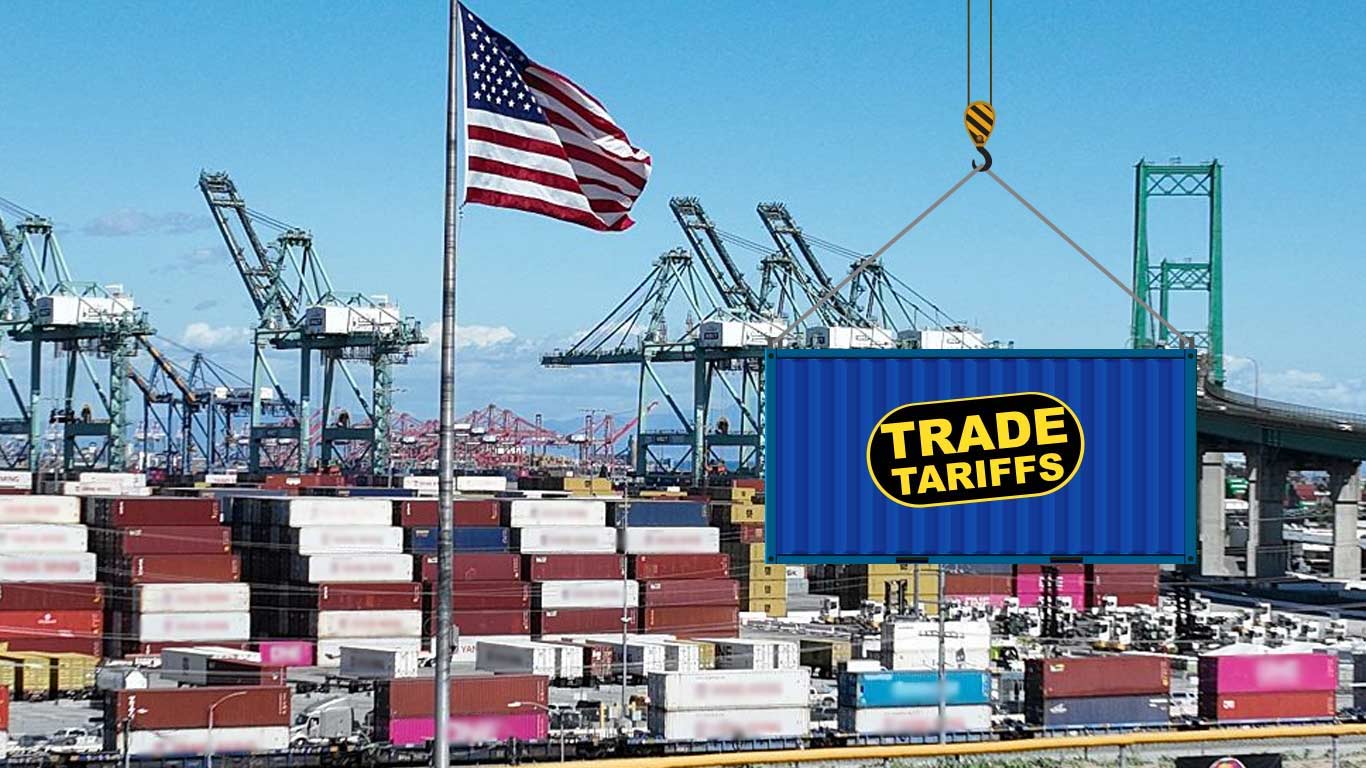
According to the White House, US trading partners, including India, that completed tariff arrangements with the Trump administration before the Supreme Court’s decision will now be temporarily subject to a flat 10% duty. This holds even if they previously agreed to higher charges under those agreements.
A White House official emphasized that trade partners must adhere to US trade agreements, stating that the new tax will remain in effect until another authority is called upon.
Earlier, the Supreme Court decided 6-3 that the Trump administration had overreached itself by imposing wide import restrictions under the 1977 International Emergency Economic Powers Act (IEEPA). Trump called the ruling ‘ludicrous’ and claimed that while it advantages other nations, it does not benefit the United States.
After the loss, Trump declared that he would use Section 122 of the Trade Act of 1974 to sign an executive order imposing a 10% global tariff. In order to alleviate balance-of-payments deficits, this authority permits a temporary import fee of up to 15% for a period of 150 days.
Trump claimed that even though his wide tariff measures were overturned by the Supreme Court, the trade agreement with India remained unaltered. “Not much changes. We will not be paying tariffs, but they (India) will. Therefore, they pay tariffs to deal with India. This is the opposite of how things used to be. “We’re just going to do it differently. The India deal is on. All the deals are on,” he stated.
Washington lowered its “reciprocal tariff” rate from the previous high of 50% to 18% as part of an interim trade agreement between the United States and India. In exchange, New Delhi consented to remove taxes on American products.