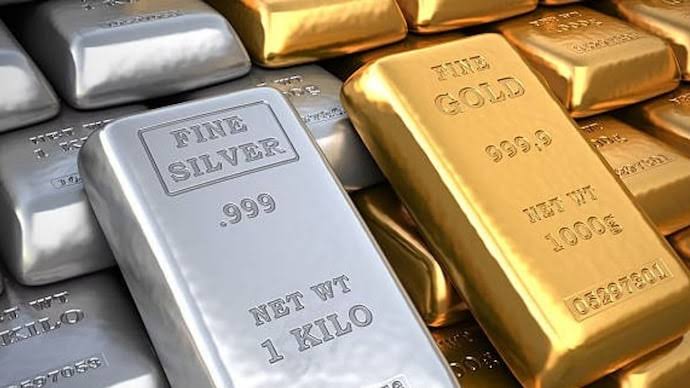

Gold and silver are currently attracting significant investor attention due to high prices and fears surrounding inflation, geopolitics, and currency risks. However, this surge in interest is often a late-cycle behavior where assets perceived as safe become crowd-driven momentum trades, diminishing their protective qualities. Unlike income-generating investments, gold and silver’s value is contingent on future demand, making them vulnerable to sentiment shifts, which can lead to periods of stagnant or declining returns.
Though gold is frequently regarded as a hedge against inflation, its reliability varies across timeframes, with real interest rates and currency strength playing critical roles. Silver, with its dual identity as both a precious metal and an industrial commodity, exhibits greater volatility, especially in economic downturns.
Investors are often lured by the fear of missing out, leading to emotional investments that can cause anxiety when prices stagnate. This can morph diversification into concentration risk if precious metals consume disproportionate portfolio shares.
Gold and silver should be viewed as components of a broader investment strategy rather than solutions by themselves; a modest allocation can aid in balancing risk, while heavy investments signal a belief that current fears will persist, which is a speculative approach.
Timing also significantly impacts investment returns; optimal buying typically occurs in quieter times when valuations are less favorable. Investors who jump in post-price surges must brace for potential long stretches of disappointing returns. Ultimately, while gold and silver can stabilize a portfolio when applied judiciously, purchasing them aggressively during peaks can lead to long-term discomfort and dissatisfaction.